
Private Total Knee Replacement — Reading, Berkshire
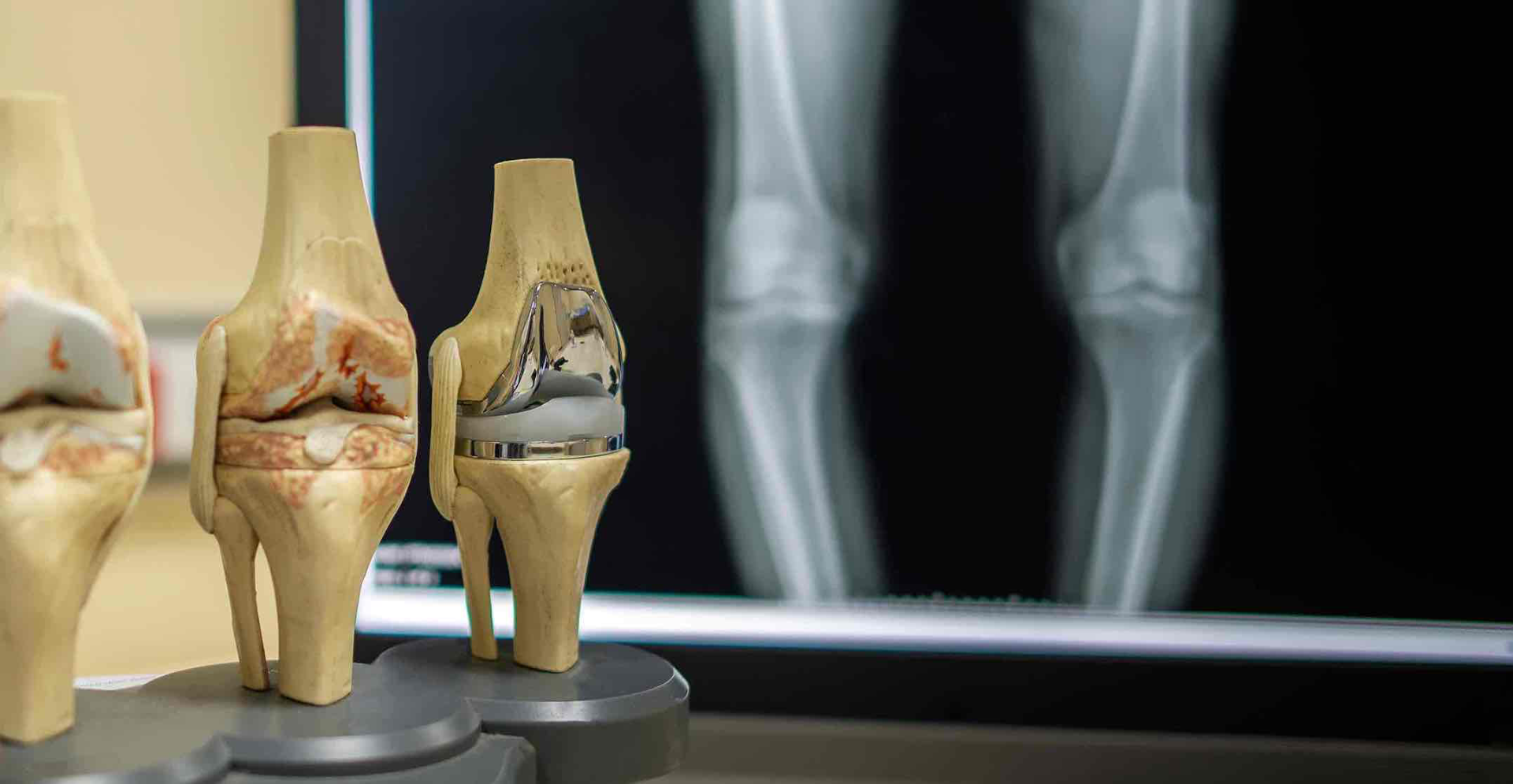
A total knee replacement (TKR) is a surgical procedure to replace the worn surfaces of the knee joint with smooth, artificial components that relieve pain and restore movement. It is typically performed for severe arthritis, where pain and stiffness have not improved with physiotherapy, medication, or injections.
Mr Sam Nahas, consultant knee surgeon at Circle Reading Hospital, specializes in advanced, evidence-based total knee replacement — including VELYS™ robotic-assisted and patient-specific alignment techniques — to ensure precise results and rapid recovery.
What is a total knee replacement?
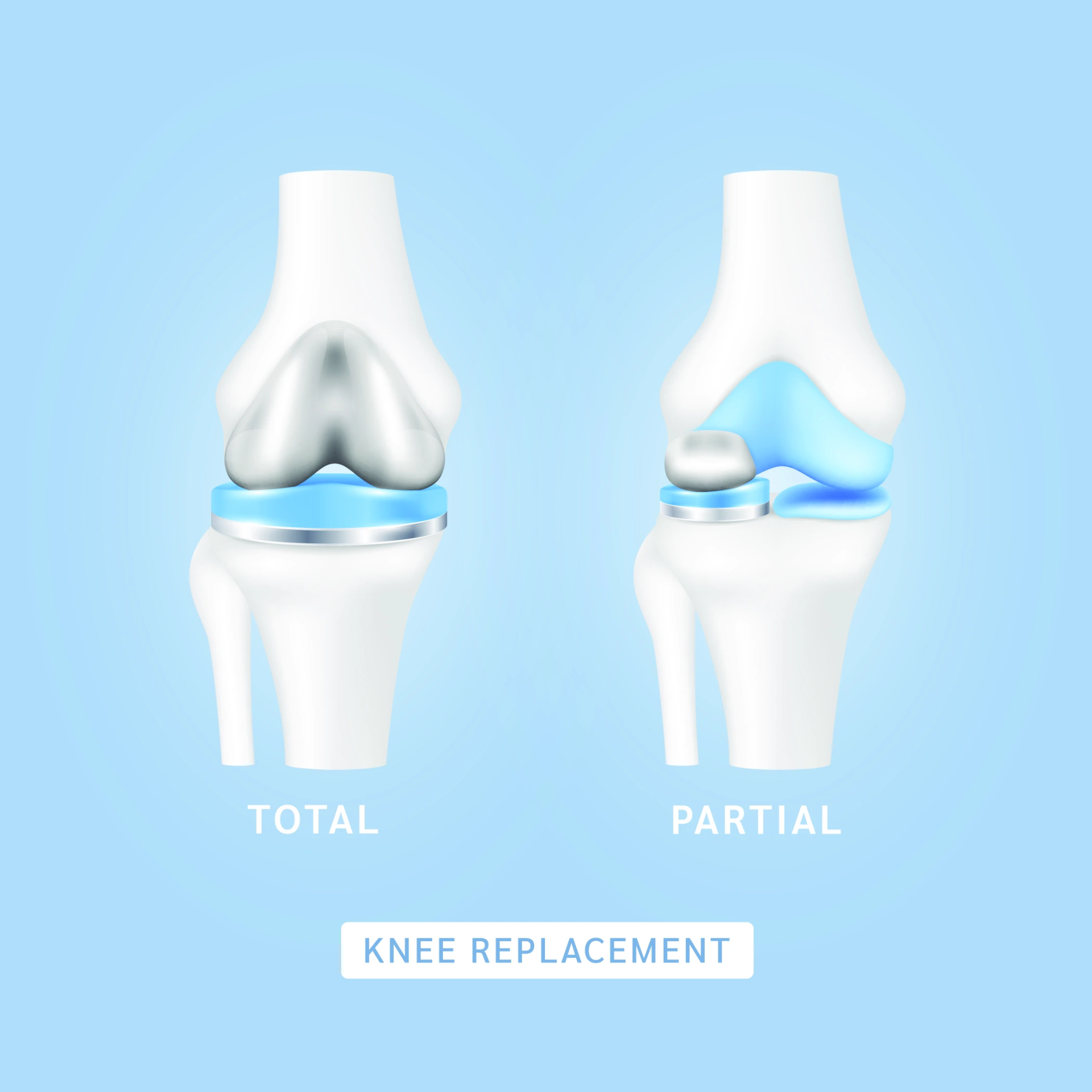
In a total knee replacement, the damaged surfaces of the thigh bone (femur), shin bone (tibia), and sometimes the kneecap (patella) are resurfaced with metal and polyethylene components.
The operation restores smooth, pain-free movement by replacing worn cartilage with a stable, well-aligned joint.
Modern implants are designed to mimic the natural roll-and-glide motion of the knee, offering excellent function and long-term durability.
Who benefits from TKR?
Total knee replacement may be recommended if you have:
Severe osteoarthritis affecting multiple compartments of the knee
Persistent pain interfering with sleep, walking, or stairs
Stiffness and loss of function despite non operative measures
Deformity such as bow-legged (varus) or knee-knock (valgus) alignment
TKR can significantly improve quality of life, allowing patients to return to walking, exercise, and daily activities without ongoing pain.
Pre-operative assessment
Before surgery, Mr Nahas performs a detailed assessment including specialist X-rays to check limb alignment and joint wear.
The surgery
The procedure is performed under spinal or general anaesthetic at Circle Reading Hospital.
A precise incision is made at the front of the knee, and worn surfaces are replaced with carefully sized metal and polyethylene components.
Mr Nahas uses modern instrumentation and, where appropriate, the VELYS™ Robotic-Assisted Solution to achieve millimetre-level accuracy in component positioning and soft tissue balance.
Every patient's surgery is tailored to achieve a stable, well-aligned, and natural-feeling result.
Recovery and rehabilitation
The vast majority of patients walk the same or next day after surgery as part of an enhanced recovery programme.
A physiotherapist helps you begin mobilisation early to improve flexibility and muscle control.
Typical recovery milestones:
Hospital stay: 1–2 nights
Return to driving: around 6 weeks, once you can perform an emergency stop safely and are off strong painkillers; this also depends on which leg was operated on and whether you drive a manual (see Driving after knee surgery)
Return to office work: 4–6 weeks
Return to sport (golf, swimming, cycling): 10–12 weeks for gentle activity, with clearance from Mr Nahas or your physiotherapist
Mr Nahas' patients are enrolled in a structured enhanced recovery pathway, designed to minimise pain, speed up mobility, and support safe, confident rehabilitation. The recovery pathway is tailored to each individual's lifestyle and goals. Recovery is criteria-based and not actually based on a fixed time. What this means is you are not allowed to progress to the next phase of rehabilitation if your knee or muscles are not ready. Each patient's timeline will differ depending on progress, and results are not guaranteed as per this timeline. These are approximate estimates.
Evidence and outcomes
Modern total knee replacements provide excellent long-term outcomes, with national registry data showing:
Around 95% implant survival at 10 years
High patient satisfaction and functional improvement
Low revision rates when surgery is accurately performed and soft tissue balanced
Mr Nahas' approach follows the latest National Joint Register, British Orthopaedics Association, and National Institute for Clinical Excellence guidelines, combining surgical precision with personalised aftercare.
Why choose Mr Sam Nahas
Consultant knee-only surgeon specialising in joint replacement and complex revision cases
Performs VELYS™ robotic-assisted and precision-aligned knee replacements
Data-driven, evidence-based approach informed by registry outcomes
Head of Orthopaedic Teaching at Brunel University
Trusted by physiotherapists and patients across Berkshire for his meticulous care and communication
Self-pay and appointments
Self-pay packages available. No GP referral is required.
Location
Procedures are performed at Circle Reading Hospital, serving patients from Reading, Berkshire, Wokingham, Henley, Oxford, and surrounding areas.