
MCL Reconstruction in Reading — Private Medial Knee Surgery
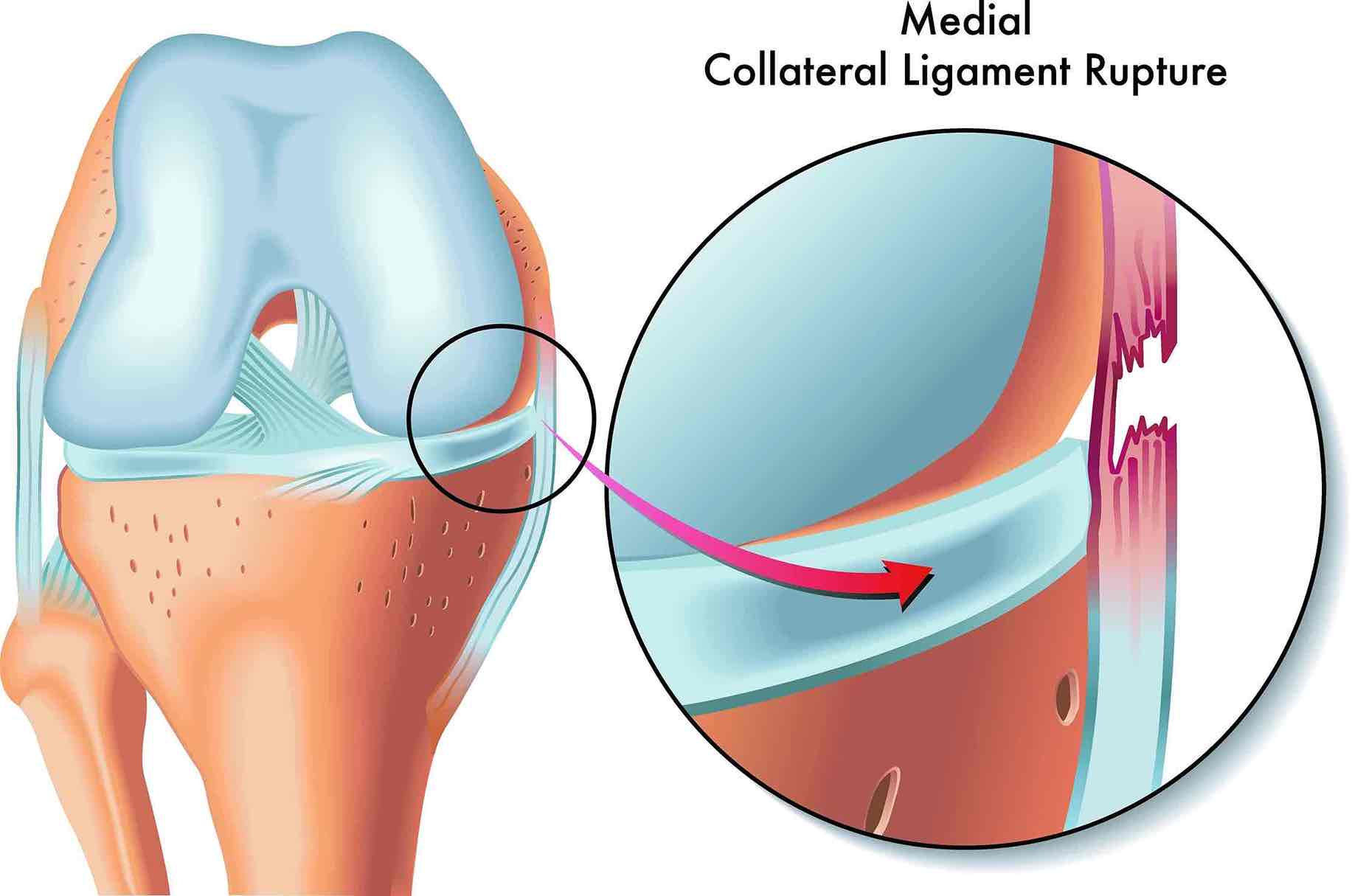
The medial collateral ligament (MCL) is a strong band of tissue on the inner side of the knee that provides stability and prevents the joint from buckling inwards. MCL injuries are common in sports or trauma, and while most heal with physiotherapy and bracing, severe or chronic cases can cause persistent instability and require surgical reconstruction.
Mr Sam Nahas, consultant knee surgeon at Circle Reading Hospital, specialises in MCL reconstruction and complex multi-ligament knee injury management using modern anatomic techniques and evidence-based protocols. Patients benefit from assessment within a week, rapid MRI access, and structured recovery programmes.
Understanding MCL injuries
MCL tears typically occur when the knee is forced inwards, such as during a tackle, twist, or fall.
They can occur alone or in combination with ACL, PCL, or meniscus injuries.
The severity of injury is graded from I to III:
Grade I: mild sprain
Grade II: partial tear
Grade III: complete rupture
Common symptoms include:
Pain and swelling on the inner side of the knee
Feeling of the knee giving way during turning or pivoting
Difficulty with sport or uneven surfaces
Diagnosis and imaging
Diagnosis is made through clinical assessment and imaging to determine the pattern and extent of injury.
MRI provides detailed visualisation of the ligament, surrounding structures, and associated damage
X-rays help rule out bone avulsion or alignment abnormalities
Under Mr Nahas, patients benefit from MRI within a week and prompt review to guide treatment.
Treatment options
Most MCL injuries heal without surgery using a brace, physiotherapy, and gradual rehabilitation.
However, reconstruction may be required if:
The ligament fails to heal or remains loose
There is combined ligament injury (e.g. ACL/MCL or PCL/MCL)
There is chronic instability after previous injury
The ligament is torn off the bone (avulsion)
Non-Surgical
Hinged knee brace and progressive physiotherapy
Gradual strengthening and sport-specific retraining
Surgical — MCL Reconstruction
Mr Nahas performs MCL reconstruction by reconstructing the native MCL tissue and reinforcing this with a synthetic graft. The graft restores the native ligament's position and tension, providing robust medial stability.
The procedure is often performed in combination with ACL, PCL, or PLC reconstruction in multi-ligament cases.
Surgical technique
Through an incision on the inner knee, the different layers of the MCL are re-tightened with stitches. Tunnels are created in the femur and tibia to replicate the native MCL attachment points.
A synthetic graft is passed through and secured with metal screws or suture anchors, restoring stability while allowing biological healing. The reconstruction can be supplemented with posterior oblique ligament (POL) reconstruction for rotational control.
Recovery and rehabilitation
Recovery after MCL reconstruction is carefully structured:
Weight bearing: may be restricted for 6 weeks with a hinged knee brace
Range of motion: gradually increased from early weeks
Return to driving: around 6 weeks, once you can perform an emergency stop safely and are off strong painkillers; this also depends on which leg was operated on and whether you drive a manual (see Driving after knee surgery)
Return to sport: 6–9 months depending on activity and graft healing
Rehabilitation focuses on muscle strength, proprioception, and confidence.
All patients follow an individualised MCL reconstruction rehabilitation plan guided by specialist physiotherapists.
Evidence and outcomes
Modern anatomical MCL reconstruction has shown excellent outcomes with:
Excellent restoration of medial knee stability
Low recurrence rates
Improved return to sport and function
Enhanced outcomes when performed with combined ligament reconstruction where indicated
Results are supported by international registry data and align with consensus recommendations for multi-ligament knee injuries.
Why choose Mr Sam Nahas
Consultant knee-only surgeon specialising in ligament reconstruction
Expertise in MCL, ACL, and multi-ligament injuries
Uses evidence-based techniques and bioabsorbable fixation
Self-pay consultations within a week and imaging access
Trusted by athletes, physiotherapists, and referrers across Berkshire
Self-pay and appointments
Self-pay patients can access consultation, imaging, surgery, and follow-up within days. No GP referral is required.
Location
Procedures are performed at Circle Reading Hospital, serving patients from Reading, Berkshire, Wokingham, Henley, Oxford, and surrounding areas.