
Meniscal Root Repair in Reading — Private Knee Surgery
A meniscal root tear is a special type of meniscus injury where the cartilage pulls away from its attachment at the back of the knee. This is a serious injury — it effectively disables the meniscus, leading to increased load on the joint and rapid cartilage wear if left untreated.
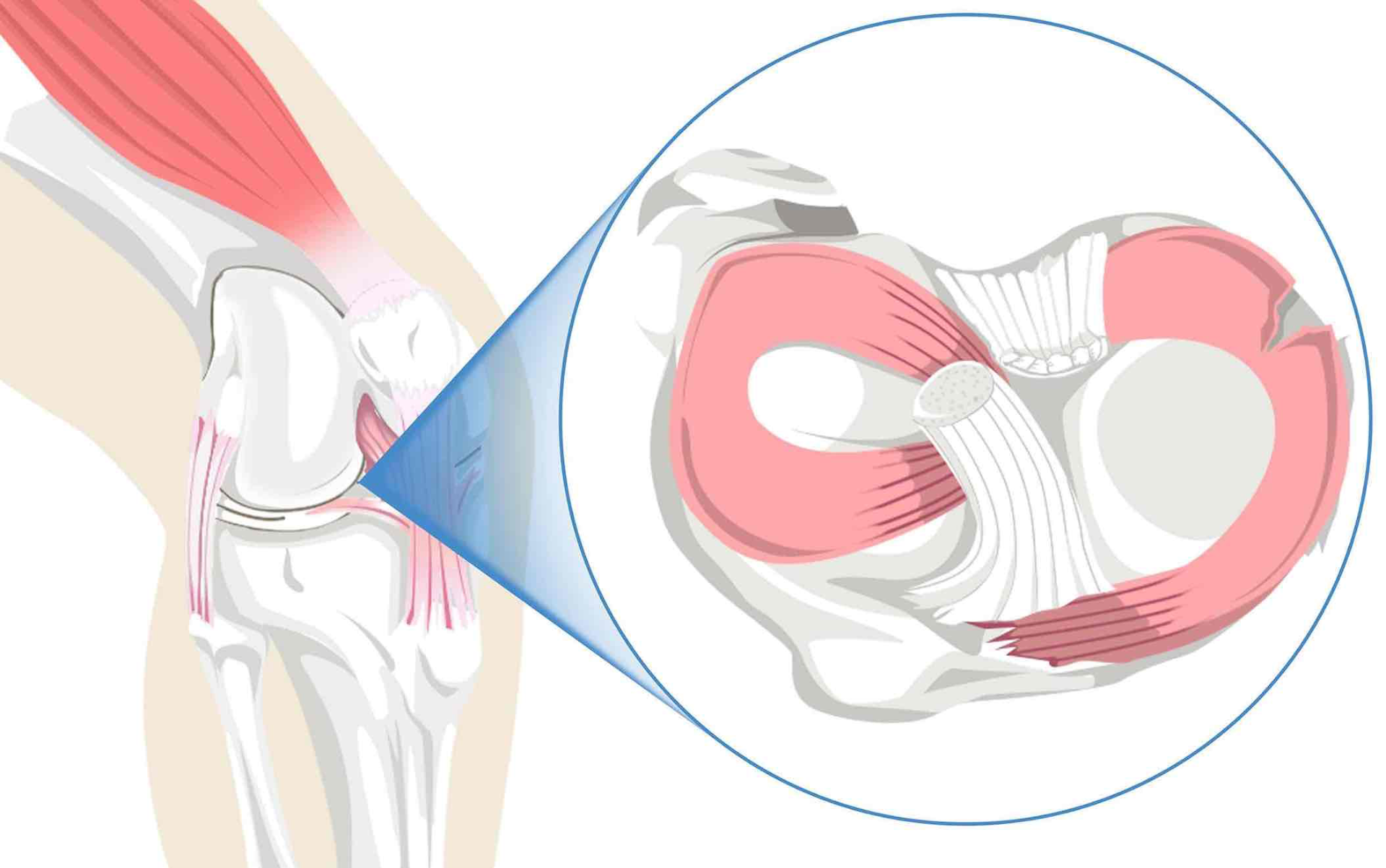
Mr Sam Nahas, consultant knee surgeon at Circle Reading Hospital, specialises in diagnosing and repairing meniscal root tears using modern arthroscopic techniques. Patients benefit from self-pay consultations within a week, rapid MRI, and precise surgical reconstruction aimed at restoring the natural function of the meniscus and protecting the knee from early arthritis.
What is a meniscal root tear?
The meniscus anchors firmly to the tibia (shinbone) via its root attachments — one on the medial (inner) and one on the lateral (outer) side.
A root tear detaches this anchor point, meaning the meniscus no longer distributes load effectively. The biomechanics of the knee are disrupted, and the injury often mimics an early arthritis pattern even if the cartilage appears healthy on MRI.
Common symptoms include:
Sudden pain and swelling without major trauma
"Pop" or tearing sensation when squatting
Ongoing deep ache, especially at the back of the knee
Loss of shock absorption and stiffness
Root tears are most often seen in middle-aged patients, though they can also occur in athletes after twisting injuries.
Diagnosis and imaging
Diagnosis is confirmed by MRI, which clearly demonstrates the root detachment and meniscal extrusion.
Patients seen by Mr Nahas typically undergo MRI within a week and receive a definitive diagnosis and plan within the week.
Why repair is important
A meniscal root tear is like the meniscus' anchor pulling off the bone—if it isn't repaired (especially on the inner/medial side), the meniscus can't absorb load properly and knee pressures rise to levels similar to having the meniscus removed (Allaire et al., JBJS, 2008). Leaving it untreated is linked with faster wear-and-tear arthritis and a higher chance of needing knee replacement compared with an anatomic root repair (Faucett et al., AJSM, 2019). Modern repairs can restore more normal joint mechanics, reduce pain, and may delay or prevent knee replacement; when the tear can be repaired and leg alignment is favourable, root repair offers the best long-term outlook. If the tissue can't be repaired, a limited trim of the torn meniscus may be necessary, understanding this carries a higher arthritis risk than repair.
Surgical technique
Meniscal root repair is performed as a keyhole (arthroscopic) procedure at Circle Reading Hospital.
Mr Nahas uses a transtibial pull-out technique, where strong sutures are passed through the torn meniscus root and drawn back through small bone tunnels to restore the native attachment on the tibia.
The sutures are tied securely, pulling the meniscus back into its normal position and re-establishing its function as a shock absorber.
In certain cases — such as when the tibial slope or leg alignment contributes to stress on the root — a realignment osteotomy (HTO) may be recommended alongside repair to protect the joint.
Recovery and rehabilitation
After meniscal root repair, rehabilitation is carefully structured to allow the repair to heal:
Weight bearing
Usually restricted for 6 weeks (crutches)
Knee bending
Restricted to 0-90° in a hinged knee brace for 6 weeks, then gradually increased
Return to office work
2–3 weeks
Return to sport
Typically 6–9 months
Each patient follows a recovery pathway designed for safe healing and return to full activity. The recovery pathway is tailored to each individual's lifestyle and sporting goals. Recovery is criteria-based and not actually based on a fixed time. What this means is you are not allowed to progress to the next phase of rehabilitation if your knee or muscles are not ready. Each patient's timeline will differ depending on progress, and results are not guaranteed as per this timeline. These are approximate estimates.
Why choose Mr Sam Nahas
Knee-only consultant specialising in meniscal and ligament surgery
Expertise in complex root and revision repairs
Evidence-based practice informed by modern research
Self-pay consultations within a week and MRI access
Excellent patient satisfaction
Self-pay and appointments
Self-pay packages are available. No GP referral is required.
Location
Procedures performed at Circle Reading Hospital, serving Reading, Berkshire, Wokingham, Henley, Oxford, and surrounding areas.