Meniscal Repair in Reading — Private Meniscus Surgery
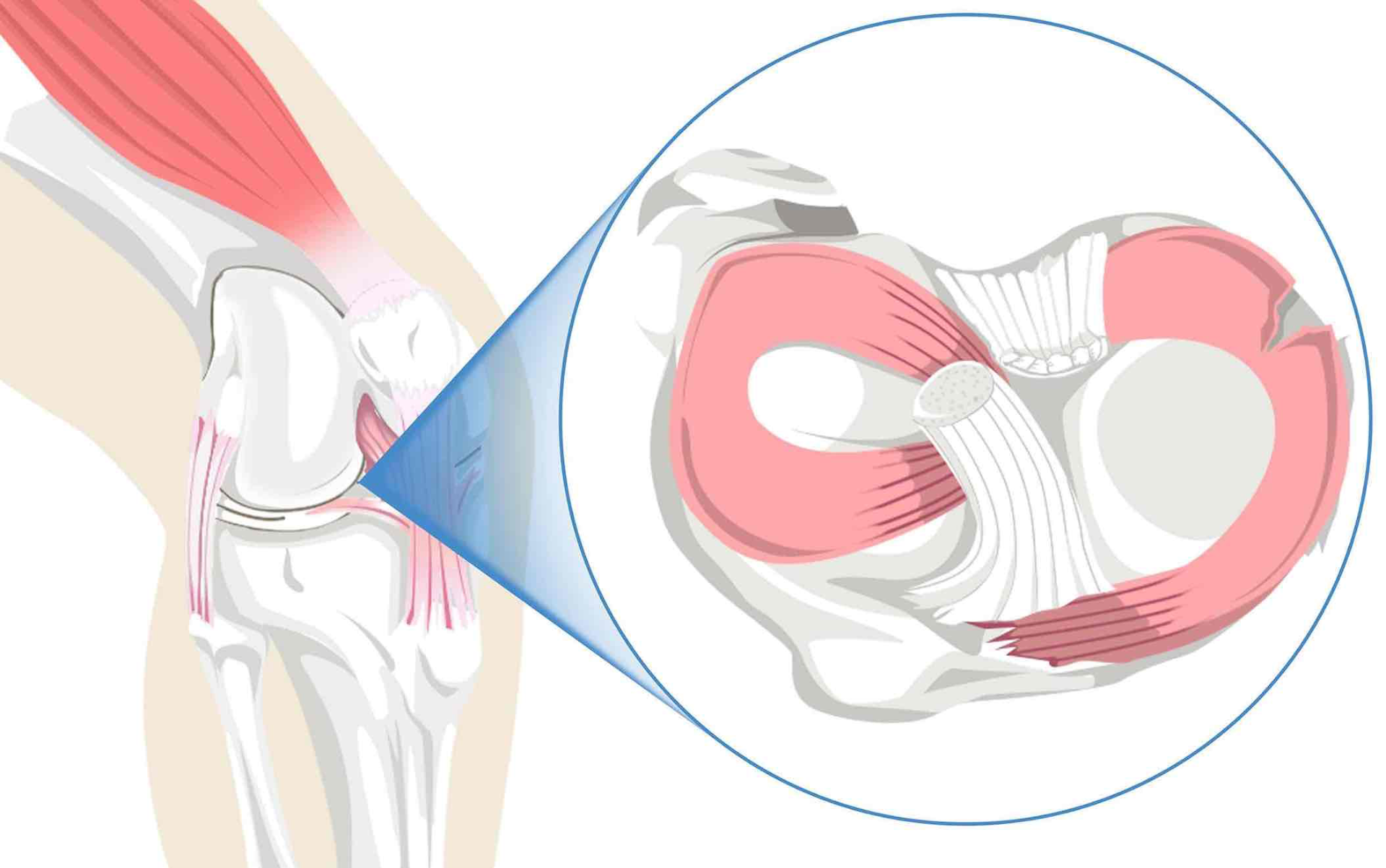
The meniscus is the C-shaped cartilage in the knee that acts as a shock absorber and stabiliser. A torn meniscus can cause pain, swelling, locking, or giving way of the knee.
Mr Sam Nahas, consultant knee surgeon at Circle Reading Hospital, specialises in meniscal repair and preservation. Patients benefit from consultations within a week, rapid MRI scanning, and access to modern, evidence-based surgical techniques designed to preserve native tissue wherever possible.
Understanding the meniscus
The knee has two menisci — one on the inner (medial) side and one on the outer (lateral). These cartilages distribute load across the joint and are vital for long-term knee health.
When torn, they may cause:
Pain along the joint line
Swelling after activity
Locking, catching, or giving way
Reduced movement or clicking
Diagnosis and imaging
Diagnosis is made by clinical examination and confirmed with MRI, which accurately shows the tear pattern and tissue quality.
Early diagnosis with the help of MRI where indicated can lead identifying a tear and the nature of the tear. In some cases early surgery can be beneficial and lead to better outcomes.
Treatment options
Not every tear requires surgery. Some meniscal injuries can heal with rest, physiotherapy, and time.
However, in younger, active patients or where the tear is repairable, meniscal repair surgery can be preferred over removal (meniscectomy). Preserving the meniscus reduces long-term risk of arthritis and improves joint function.
Treatment options include:
Physiotherapy and activity modification (for small, stable tears)
Arthroscopic meniscal repair (keyhole surgery using sutures)
Partial meniscectomy (removal of irreparable fragments only when necessary)
Mr Nahas' philosophy is preservation first — repairing the meniscus wherever viable to protect the long-term health of the knee. Repair can only be performed in very specific scenarios and is dependent on many complex factors. Repair is not suitable for everyone even if young and active. It is a complex surgical decision which requires a lot of expertise. Mr Nahas will try and do the best thing for the health of your knee and your situation, and this discussion is made in a shared decision making process.
Isolated meniscal tears can be repaired arthroscopically, but it isn't foolproof: a long-term meta-analysis found about 1 in 5 repairs failed or needed revision after 5 years—and over one-third of those failures happened after year 2 (Schweizer et al., KSSTA 2022). Repair should be undertaken by experienced surgeons with careful case selection, and if it fails, repeat surgery may be needed.
Surgical technique
Meniscal repair is performed arthroscopically (keyhole surgery). Specialised instruments are used to stitch the torn meniscus back to its attachment.
Most repairs are done as day cases under general anaesthesia at Circle Reading Hospital.
Sometimes stitches need to be performed to the outside of the knee which requires bigger incisions to be made.
Where a tear is complex or degenerative, selective trimming may be required to leave a stable, smooth rim.
Recovery and rehabilitation
Recovery after meniscal repair requires a careful, structured rehabilitation plan:
Weight bearing
Restricted for 6 weeks
Range of motion
Usually restricted to 0-90 degrees bend with a hinged knee brace for 6 weeks
Return to office work
Depends on the extent of the surgery but plan 2–4 weeks (often meniscal repair is combined with other procedures such as ACL reconstruction which can be more painful)
Return to sport
Typically 6–9 months
Each patient follows a recovery pathway designed for safe healing and return to full activity. The recovery pathway is tailored to each individual's lifestyle and sporting goals. Recovery is criteria-based and not actually based on a fixed time. What this means is you are not allowed to progress to the next phase of rehabilitation if your knee or muscles are not ready. Each patient's timeline will differ depending on progress, and results are not guaranteed as per this timeline. These are approximate estimates.
Evidence and outcomes
Modern research supports meniscal preservation where indicated.
Timing: Fixing the meniscus early works better—across 35 studies, repairs done in the first 3–8 weeks failed about half as often as later repairs; the authors recommend repairing within 8 weeks of injury (van der List et al., AJSM 2025).
Long-term outlook: Repairing the meniscus is linked with fewer arthritis problems years later—in a Swedish study that followed people for 5–18 years, about 10% of those who had a repair later sought care for knee arthritis vs 17% after trimming (partial meniscectomy), suggesting a protective effect (Persson et al., Osteoarthritis & Cartilage, 2018).
Mr Nahas remains active in ongoing research and audit, ensuring that every procedure reflects current best evidence.
Why choose Mr Sam Nahas
Specialist knee-only consultant
Expertise in complex, root, and revision meniscal repairs
Fellowship-trained, evidence-led practice
5★ rated by patients on Doctify
Access to advanced keyhole technology and accelerated recovery pathways
Self-pay and appointments
Self-pay packages are available. No GP referral is required.
Location
Procedures are performed at Circle Reading Hospital, serving patients from Reading, Berkshire, Wokingham, Henley, Oxford, and surrounding areas.