
Distal Femoral Osteotomy (DFO) in Reading — Knee Realignment Surgery
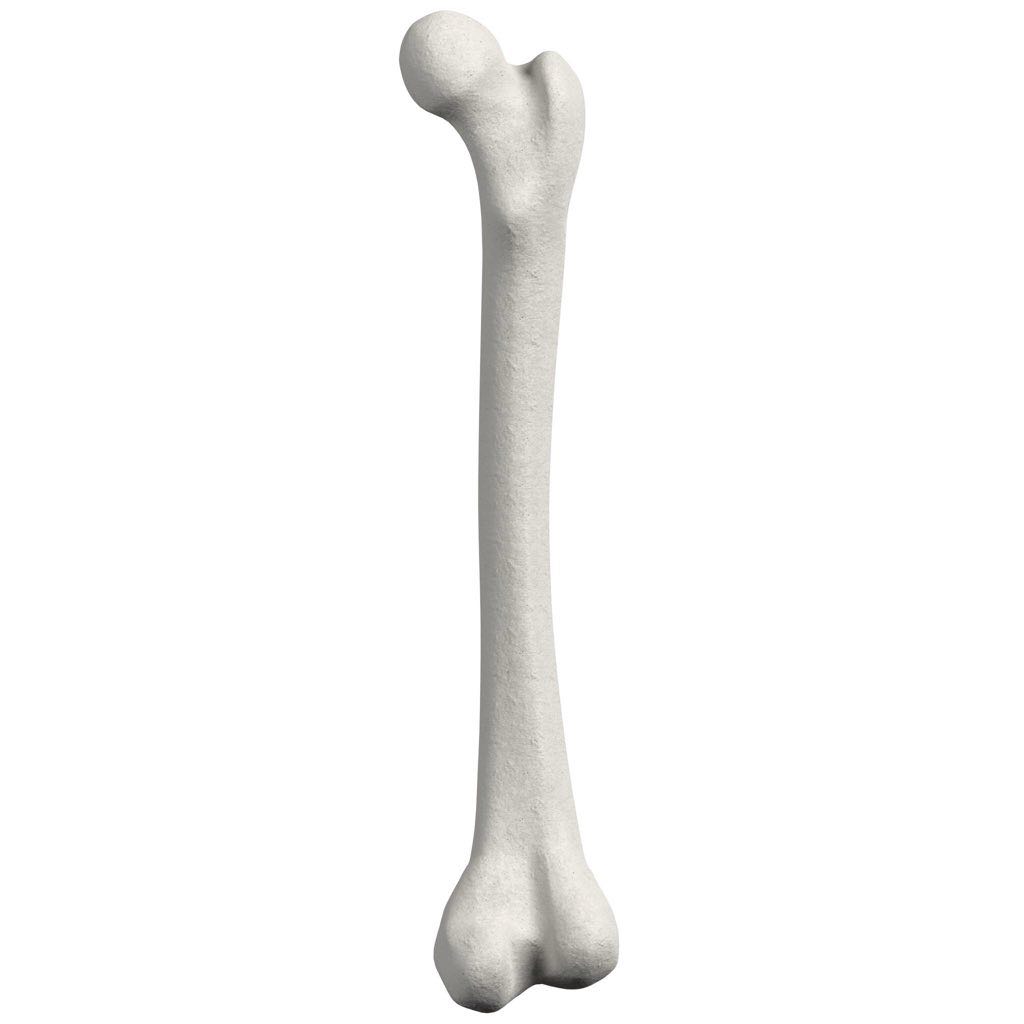
A Distal Femoral Osteotomy (DFO) is a bone-realignment operation which is often performed to correct valgus (knock-knee) alignment, which places excess stress on the outer (lateral) side of the knee. It can be used in a variety of different deformities however.
Mr Sam Nahas, consultant knee surgeon at Circle Reading Hospital, performs precision-planned DFO surgery using advanced digital imaging software to optimise angles and load distribution, aiming to preserve the native joint and delay or avoid knee replacement.
What is a DFO?
In a DFO, a carefully planned cut is made in the lower part of the thigh bone (femur) to change its alignment.
By straightening the leg, the procedure shifts weight-bearing forces away from the damaged outer side of the knee and restores balanced load through the joint.
A titanium plate and screws hold the bone securely while it heals in its new position.
DFO is typically performed for:
Lateral (outer) compartment arthritis in valgus knees
Post-traumatic malalignment after previous injury
Combined realignment with cartilage or meniscal surgery
Young or active patients seeking to maintain high function without knee replacement
Pre-operative assessment
As with high tibial osteotomy, precise planning is critical.
Before surgery, Mr Nahas requests full-length, weight-bearing X-rays of the entire leg — from hip to ankle — to evaluate global alignment.
These images must be high-quality and perfectly centred.
He then analyses them using specialised digital software to determine the exact degree of correction required.
This ensures the surgical plan is mathematically accurate and tailored to each individual's anatomy.
The surgery
The procedure is performed under spinal or general anaesthetic at Circle Reading Hospital.
An incision is made above the knee on the outer side of the thigh. The bone is precisely cut, opened or closed by a few millimetres, and held in position with a titanium plate and screws.
Sometimes a bone graft or synthetic bone substitute is used to aid healing.
It is a major operation that involves bone healing — patients must be prepared for a longer recovery than with keyhole procedures.
This is a major procedure, but in the right patient it can provide lasting pain relief, correct deformity, and preserve the native knee joint for many years.
Recovery and rehabilitation
Because bone healing is required, recovery from DFO takes longer than most keyhole surgeries. The pathway is similar to that of an HTO:
Hospital stay: usually 1 night
Weight-bearing: crutches ~4–6 weeks, but weight-bear as tolerated from day 1 and full by <6 weeks
Bone healing: checked with X-rays at 6 weeks and ~3 months; functional recovery/union commonly falls in the ~3–4 month window
Driving: around 6 weeks, once you can perform an emergency stop safely and are off strong painkillers; this also depends on which leg was operated on and whether you drive a manual (see Driving after knee surgery)
Return to sport: ~6–9 months for higher-impact activity, earlier for gentle cycling/swimming
Physiotherapy starts early to maintain joint motion and rebuild strength as the bone heals. X-rays are repeated during follow-up to confirm progressive healing and correct alignment.
Evidence and outcomes
Ten-year survivorship after distal femoral osteotomy for valgus lateral compartment osteoarthritis is 89% in a single-centre cohort (Shivji et al., Knee Surgery, Sports Traumatology, Arthroscopy, 2021).
Modern plates, locking screws, and digital planning software have made results more predictable, with high patient satisfaction and durable alignment correction.
Why choose Mr Sam Nahas
Consultant knee-only surgeon specialising in alignment and preservation surgery
Performs both high tibial (HTO) and distal femoral (DFO) osteotomies using computer-assisted planning
Fellowship-trained expertise in cartilage, ligament, and joint preservation
Evidence-based practice and personalised pre-operative planning
Self-pay consultations within a week and access to advanced imaging facilities
Self-pay and appointments
Self-pay packages available. No GP referral is required.
Location
Procedures are performed at Circle Reading Hospital, serving patients from Reading, Berkshire, Wokingham, Henley, Oxford, and surrounding areas.