
High Tibial Osteotomy (HTO) in Reading — Knee Realignment Surgery
A High Tibial Osteotomy (HTO) is a realignment procedure used to offload damaged areas of the knee and delay or prevent the need for knee replacement. It is most commonly performed for younger, active patients with arthritis on one side of the knee or after ligament injuries that have altered alignment.
Mr Sam Nahas, consultant knee surgeon at Circle Reading Hospital, specialises in precision-planned osteotomy surgery using digital imaging software to optimise alignment and long-term outcomes.
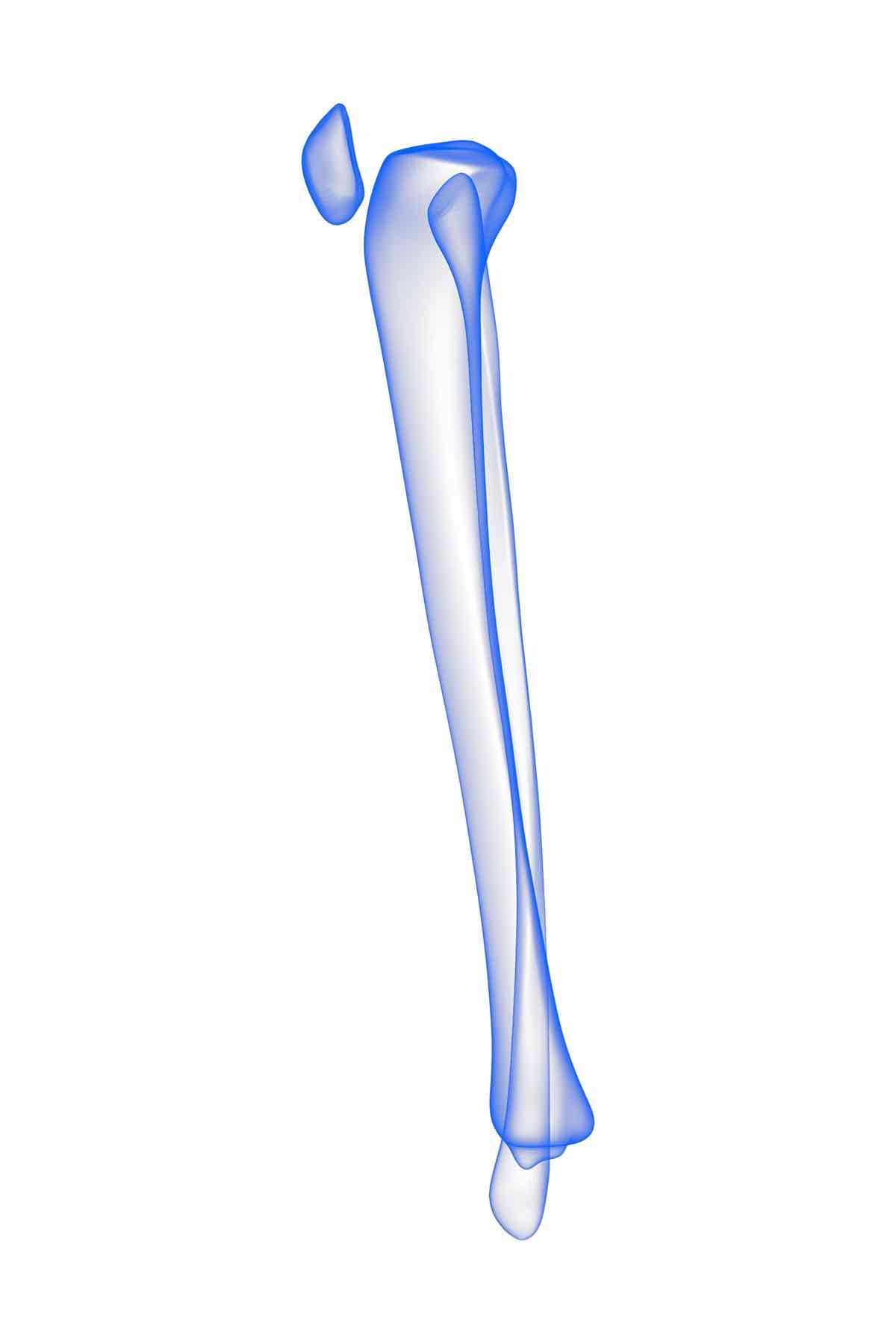
What is an HTO?
The HTO involves carefully cutting and realigning the upper part of the shin bone (tibia) to shift weight-bearing away from the worn part of the knee onto the healthier side.
A small wedge of bone is either opened (opening wedge osteotomy) or closed (closing wedge osteotomy), and a titanium plate is used to hold the new position while the bone heals.
By redistributing load, HTO can relieve pain, improve function, and help preserve your own joint for many years before a knee replacement becomes necessary.
Who is suitable for HTO?
HTO is most suitable for patients who:
Have arthritis or cartilage damage limited to one side of the knee (usually the inner/medial side)
Have good range of motion and intact ligaments
Are younger or active and wish to delay total knee replacement
Careful preoperative assessment is essential. Not all patients with arthritis are suitable candidates.
The importance of alignment analysis
Before considering surgery, Mr Nahas arranges full-length, weight-bearing X-rays of the entire leg — from hip to ankle — to assess overall limb alignment.
These X-rays must be high-quality, precisely centred, and taken in standing position for accurate assessment.
Mr Nahas then analyses these images using specialised computer software to measure the degree of malalignment and to plan the correction in detail.
This digital planning ensures that surgery is tailored to your exact anatomy, restoring balance through precise angles and millimetre adjustments.
The surgery
HTO is performed under general anaesthetic at Circle Reading Hospital.
A small cut is made on the upper tibia (shin bone), and the bone is carefully opened under X-ray control to achieve the planned correction. A wedge-shaped gap is created and stabilised with a titanium plate and screws.
In some cases, bone graft or bone substitute is added to promote healing.
It is a major operation, and patients must understand that it involves bone healing — meaning recovery takes time and patience.
It is common to feel an ache or a sense of awareness over the plate on the inner shin when you are on your feet a lot, particularly in the first few months. This usually settles as the bone heals and is not a sign that anything is wrong.
The plate is normally left in place permanently. A small number of patients find it irritating over the bone and choose to have it removed once the bone has fully healed — usually no earlier than 12 months after surgery, as a short day-case procedure.
It is a major operation, but for the right patient, it can transform knee function and significantly delay joint replacement.
Recovery and rehabilitation
Because bone healing is required, recovery from HTO takes longer than most keyhole surgeries:
Hospital stay: usually 1 night
Weight-bearing: crutches ~4–6 weeks, but weight-bear as tolerated from day 1 and full by <6 weeks
Bone healing: checked with X-rays at 6 weeks and ~3 months; functional recovery/union commonly falls in the ~3–4 month window
Driving: around 6 weeks, once you can perform an emergency stop safely and are off strong painkillers; this also depends on which leg was operated on and whether you drive a manual (see Driving after knee surgery)
Return to sport: ~6–9 months for higher-impact activity, earlier for gentle cycling/swimming
Each patient follows a recovery pathway designed for safe healing and return to full activity. The recovery pathway is tailored to each individual's lifestyle and sporting goals. Recovery is criteria-based and not actually based on a fixed time. What this means is you are not allowed to progress to the next phase of rehabilitation if your knee or muscles are not ready. Each patient's timeline will differ depending on progress, and results are not guaranteed as per this timeline. These are approximate estimates.
Evidence and outcomes
High tibial osteotomy (HTO)—a bone-realignment operation that shifts weight off the worn side of the knee—can ease pain and, in the right patient, often postpones a knee replacement by around a decade: in large follow-ups, about 73–92% of knees haven't needed replacement at 10 years, and roughly 56–70% still haven't at 15 years (Niinimäki et al., JBJS Br 2012; Ollivier et al., KSSTA 2021).
It preserves natural joint movement, maintains high activity levels, and allows continued participation in sports and work that would not be suitable after total knee replacement.
Modern fixation plates and digital planning software have improved accuracy, comfort, and long-term success.
Why choose Mr Sam Nahas
Consultant knee-only surgeon specialising in realignment and preservation surgery
Uses digital surgical planning to achieve precise correction
Expertise in HTO, DFO, and cartilage preservation
Evidence-based approach, with detailed patient education before surgery
Self-pay and appointments
Self-pay packages available. No GP referral is required.
Location
Procedures are performed at Circle Reading Hospital, serving patients from Reading, Berkshire, Wokingham, Henley, Oxford, and surrounding areas.