Knee Arthroscopy in Reading — Keyhole Knee Surgery
Knee arthroscopy (keyhole surgery) is a minimally invasive technique used to diagnose and treat a wide range of knee conditions through two or three small incisions. It allows precise visualisation and treatment of meniscal tears, cartilage damage, and soft tissue injuries without the need for large cuts or long hospital stays.
Mr Sam Nahas, consultant knee surgeon at Circle Reading Hospital, performs private and self-pay knee arthroscopy using advanced techniques focused on rapid recovery, and early return to activity.
What is knee arthroscopy?
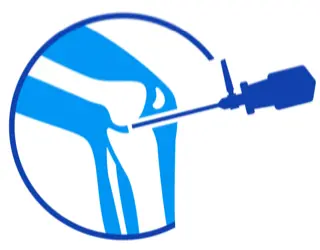
Knee arthroscopy involves inserting a small camera (arthroscope) and fine instruments into the knee joint. The camera projects high-definition images onto a screen, allowing Mr Nahas to accurately identify and treat damage inside the knee.
Because only small incisions are required, arthroscopy typically results in:
Less postoperative pain
Faster healing and minimal scarring
Shorter recovery and earlier return to work or sport

Conditions treated
Knee arthroscopy is used to diagnose and treat:
Meniscal tears (repair or trimming)
Cartilage damage or loose fragments
Ligament injuries (ACL assessment or reconstruction)
Synovial inflammation
Removal of loose bodies or scar tissue
Patella instability (tightening or realignment procedures)
The procedure
Knee arthroscopy is usually a day-case procedure performed under general or spinal anaesthetic.
Small portals are made at the front of the knee for the camera and instruments. The joint is examined, the problem identified, and any necessary treatment carried out during the same session.
Sutures or steri-strips are placed to close the small incisions, and most patients are walking within hours.
Procedures are performed at Circle Reading Hospital, which offers excellent facilities, private rooms, and advanced arthroscopic equipment.
Recovery and rehabilitation
Recovery time depends on the type of procedure performed:
Simple diagnostic arthroscopy or loose body removal: walking the same day; back to office work in 1–2 weeks; driving usually around 1–2 weeks
Meniscal repair: weight bearing may be restricted for 6 weeks
Cartilage or ligament procedures: tailored physiotherapy programme and graduated return to sport
Most patients resume daily activities within 2–4 weeks and return to sport between 6 weeks and 12 months, depending on the complexity of surgery (such as ACL reconstruction being done).
Each patient follows a recovery pathway designed for safe healing and return to full activity. The recovery pathway is tailored to each individual's lifestyle and sporting goals. Recovery is criteria-based and not actually based on a fixed time. What this means is you are not allowed to progress to the next phase of rehabilitation if your knee or muscles are not ready. Each patient's timeline will differ depending on progress, and results are not guaranteed as per this timeline. These are approximate estimates.
Evidence and outcomes
Modern arthroscopic surgery is supported by strong evidence for accurate diagnosis and targeted intervention with minimal morbidity.
Compared to traditional open procedures, arthroscopy offers:
Faster recovery and return to activity
Lower risk of infection
Reduced scarring and stiffness
Clearer intra-articular visualisation
In cases of degenerative joint disease, Mr Nahas ensures all decisions are guided by current NICE, BASK (British association of surgery of the knee) and BOA (British orthopaedic association) guidelines, ensuring surgery is only offered when evidence supports clear benefit.
Why choose Mr Sam Nahas
Fellowship-trained knee-only consultant specialising in arthroscopy, meniscus, cartilage, and ligament surgery
Focus on tissue preservation and function restoration
Access to modern facilities with consultations available within 7 days for self-pay patients
Trusted by athletes, professionals, and local clinicians across Berkshire
Self-pay and appointments
Self-pay packages are available for assessment, MRI, arthroscopy, and follow-up. No GP referral is required for self-pay patients.
Location
All procedures are performed at Circle Reading Hospital, serving patients across Reading, Berkshire, Wokingham, Henley, Oxford, and surrounding areas.